Technical Evaluation
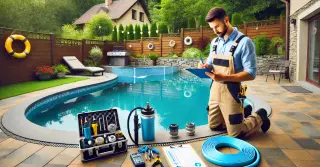
Professional technical inspections are crucial for assessing the condition and needs of any existing pool. Such evaluations provide detailed insights on the structural integrity, equipment functionality, and overall safety of your pool. Consistent technical assessments help spot problems early, stopping major repair costs and maintaining the pool's safety and usability.
Professional technical inspections are crucial for assessing the condition and needs of any existing pool. Such evaluations provide detailed insights on the structural integrity, equipment functionality, and overall safety of your pool. Consistent technical assessments help spot problems early, stopping major repair costs and maintaining the pool's safety and usability.
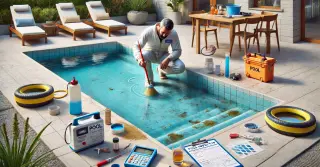
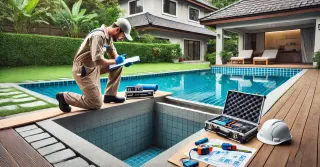
Evaluating the structural soundness of any pool is an essential part of technical inspections. This involves examining the walls, floor, and surrounding deck for any cracks, leaks, and signs of deterioration.
- Inspecting for Cracks: Examine the pool's surface for cracks, as these can point to structural problems. Identifying cracks early can prevent further damage and lower repair expenses.
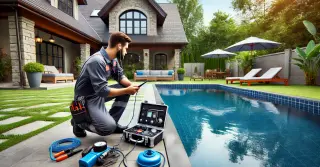
- Leak Detection: Leaks can occur in the pool structure or plumbing. Detecting and repairing leaks early avoids unnecessary water loss and further structural damage.
Evaluating Equipment FunctionalityAn in-depth technical assessment also involves checking the functionality of all relevant equipment. This ensures everything is operating correctly.
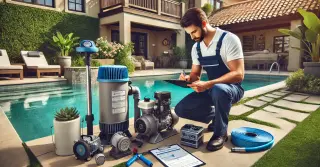
- Checking Pumps and Filters: Evaluate the pump and filtration systems to ensure they are working efficiently. Consistent upkeep and prompt fixes can increase their longevity.
- Heater and Lighting Check: Inspect the heating and lighting setups are operating correctly. Efficient heaters and lights enhance the pool's usability and safety.
Safety and Regulatory ChecksEnsuring safety is crucial in technical evaluations. This requires confirming that all safety measures and regulations are met.
- Checking Fences and Barriers: Check the pool's fences and barriers to ensure they are secure and in good condition. Proper barriers prevent unauthorized access and improve security.
- Drain and Suction Outlet Checks: Inspect the pool's drains and suction points are operating safely and comply with anti-entrapment standards. This prevents accidents.
Benefits of Technical InspectionsConsistent technical evaluations provide several advantages that enhance the longevity and safety of any pool.
- Identifying Problems Early: Detecting issues early can prevent costly repairs and prolong the pool's lifespan.
- Increased Safety: Ensuring all safety measures are in place minimizes the risk of accidents and ensures peace of mind.
- Increased Efficiency: Routine inspections of equipment ensure optimal performance, cutting energy costs and boosting user satisfaction.
Final ThoughtsTechnical inspections for pools are essential for assessing the condition and maintenance needs of existing pools. These assessments give comprehensive details that help spot problems early, confirm safety, and maintain functionality. By investing in regular technical inspections, you ensure a longer pool lifespan, save on repairs, and maintain a safe and operational pool.